

Coming to Winston-Salem Fall 2026
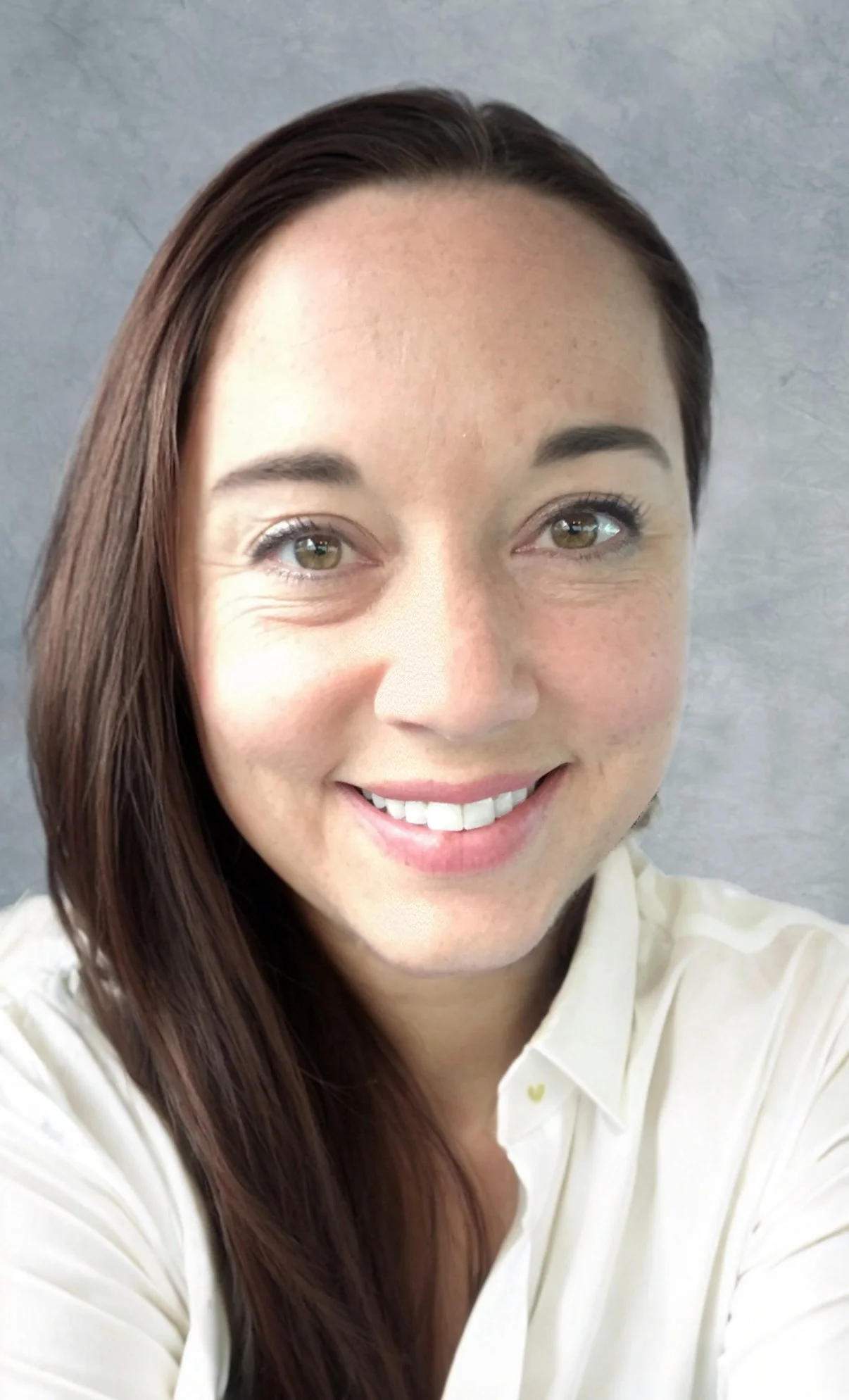
About Dr. Sally Lambeth
I’m Dr. Sally Lambeth, a board-certified internal medicine physician with more than 20 years of experience caring for adults in both hospital and outpatient settings.
I graduated from the University of North Carolina School of Medicine and completed my Internal Medicine residency at Vanderbilt University Medical Center. Over the course of my career, I’ve cared for patients in nearly every setting—from the hospital to traditional primary care to value-based medicine—with a particular focus in recent years on older adults and people with complex medical needs.
All of those experiences have shaped what I believe primary care should be.
The best medicine happens when a physician has the time to listen, notice patterns, and understand a patient’s health in the context of the rest of his or her life. It means knowing the history behind the medication list, remembering what has and hasn’t worked before, and recognizing when something simply isn’t right. It means helping patients understand not only what we are doing, but why.
One of the things I spend a great deal of time doing with my patients is simply putting the whole picture together.
A patient may be seeing a cardiologist, pulmonologist, gastroenterologist, orthopedist, or several other specialists—each appropriately focused on one part of his or her health. But patients are often left with test results, new medications, diagnoses, and follow-up plans without a clear understanding of how all of those pieces fit together.
One of the most fulfilling things I do as a doctor is to sit down with my patients, go through their records and specialist notes, review their test results with them, and explain what it all means in plain language. Sometimes the most valuable thing I can do is not order another test or prescribe another medication. It is to help someone finally understand:
What is going on with me? What matters? What doesn’t? And what do we do next?
I believe that is one of the most important roles of a primary care physician. Someone needs to see the whole person—not just one organ system—and help connect the dots.
And increasingly, being a good physician also means helping patients navigate the healthcare system itself.
Not long ago, I was checking in for an appointment at Labcorp. The process was entirely electronic: scan your driver’s license, enter information on a screen, and work your way through a series of prompts.
An older couple was waiting behind me. When I finished, they approached the machine and just stood there for a moment, looking bewildered. They hadn’t realized they were expected to check themselves in before anyone would see them.
So I offered to help.
I scanned their cards, entered their information, and walked them through the process. It took only a few minutes. But from their reaction, you would have thought I had performed a miracle.
I’ve thought about that little encounter many times because it captures something I see constantly in medicine.
Healthcare has become extraordinarily difficult to navigate. Patient portals, electronic check-ins, referrals, specialists, insurance requirements, medication lists, test results—things that are routine to those of us who work in healthcare can feel like an entirely different language to the person trying to get care.
And sometimes it seems that the more complicated your health becomes, the more the healthcare system asks you to manage it yourself.
That is one of the reasons I especially love caring for older adults. I don’t want my patients to feel as though they’ve been dropped into a complicated system and left to figure it out alone. I want to be the physician who knows the whole story, helps make sense of the pieces, and guides them through what comes next.
Why Segno?
That philosophy is also behind the name Segno Primary Care.
Outside of medicine, one of my great loves is music. I’ve played piano for much of my life, and classical music has always been a source of joy and meaning for me. So when I began thinking about what to call this practice, I found myself naturally drawn to the language of music.
Segno is an Italian musical term meaning “sign” or “mark.” In written music, the segno is a symbol that tells the musician to return—to go back to an earlier place in the music.
That idea of returning felt remarkably similar to what I wanted this practice to represent.
Medicine has changed enormously during my career. We have advanced technology, better treatments, electronic medical records, instant access to information, and increasingly sophisticated ways to understand and manage health. I value those advances and want my patients to benefit from them.
But somewhere along the way, we have also lost some of the simplest and most important parts of being cared for by a doctor:
Knowing your physician. Being known BY your physician.
Having enough time to tell the whole story.
Being able to ask the extra question.
Being able to talk about the other thing that’s been bothering you, too—without being told there isn’t time today or that you’ll need to schedule another appointment. Health doesn’t divide itself neatly into one concern per visit, and I don’t believe good primary care should either.
Having someone who remembers what happened six months ago and understands how it connects to what is happening today.
Having a physician who can look across all of your care—not just one piece of it—and help you understand the bigger picture.
Knowing who to turn to when the healthcare system becomes difficult to navigate.
Segno represents a return to that kind of medicine.
Not a return to the past, and not a rejection of modern medicine. It is a return to something worth preserving within it: the relationship between a patient and the physician who knows them.
And there is something else I love about the musical meaning. When a musician returns to the segno, the music doesn’t end there. You return to something familiar in order to continue forward.
That is what I intend for Segno Primary Care to be:
A return to what matters, and a better way forward.