I keep coming back to this issue of time.
Inherently I think we all know that it’s important. Time with our loved ones, time to rest, time to do a good job on a project. But in this world of AI and hacks, I think we may have forgotten that some things, done right, are always going to take time.
Most of what I am hearing from you all is that you want more time with your doctor. Not necessarily better medications, better tests, or even easier access through patient portals (although these, especially the latter, are important). People want to feel like they are not being rushed. That their doctor is not just hearing what they are saying, but listening.
One of my basic values has always been, “if you don’t bother to do it right, be ready to do it all over again.” This applies to literally everything. Do a sloppy rushed job changing your flat tire and guess what? You’ll just have to spend that time plus more doing it the right way. That is, if you don’t have a wreck and make the situation even worse. Rush through following a recipe and add sugar instead of salt. I don’t think I need to explain more.
THIS is what we need more of in medicine. And sadly, most practice models are set up in a way where doctors are spending so much time with documentation, jumping through administrative hoops, and dealing with ever increasing demands that something has to give. That usually ends up being time with patients. I know you’ve felt it. I’ve felt it as a doctor AND as a patient. I literally have practiced what I will say to my doctor so that I can hope to get it all out before I’m rushed out.
This is not the doctors’ fault per se. But it is a glaring problem in our current health care system. DO a quick sloppy job with cooking and you get a meal that is inedible. Do a quick sloppy job with a patient and you might get, at best, an unhappy patient; at worst, an injured or misdiagnosed one. I refuse to cut corners here.
I remember in residency at Vanderbilt there was a doctor at the VA who only saw a handful of patients a day in his clinic. He was sort of an eccentric fellow and people just kind of shook their heads at his style, and how he refused to cram in as many patients as possible into one clinic day. Admittedly, back then, I also thought it was a bit strange. Now, after 20 years of practice in virtually every setting, I get it. I applaud him. He took a stand for his values long before this became a more widespread idea. Direct primary care is the embodiment of that doctor’s approach to medicine and to people. It remembers that caring for individuals as a doctor is a responsibility that demands time and attention, as well as a reverence for each person and the entirety of who they are.
It’s how I’ve always practiced, only now with Segno, I can do it without restriction.
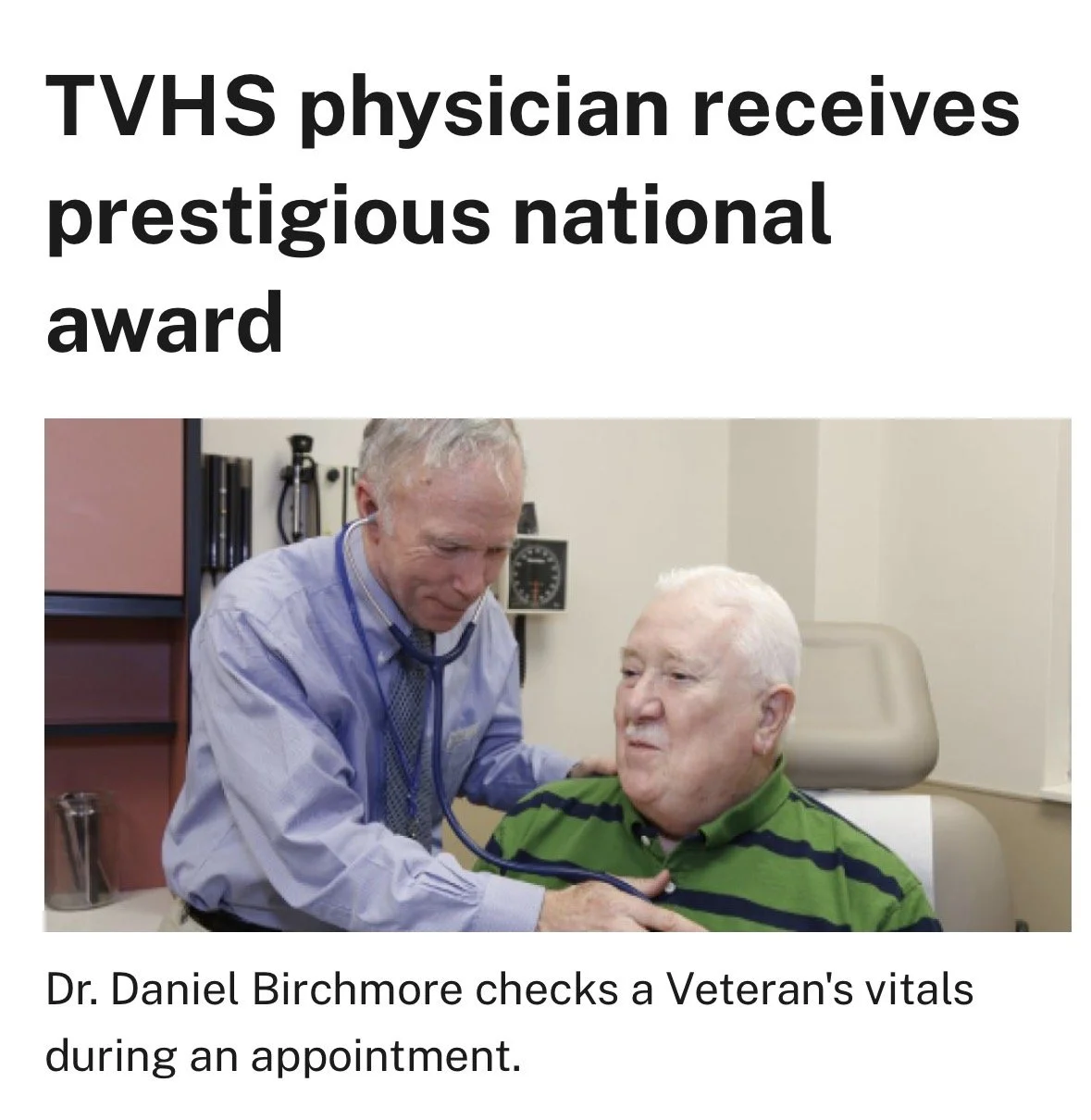
Thank you, Dr. Daniel Birchmore. You are a true gem.